Ocean economy
The ocean economy is the system of industries, jobs, and resources tied to the ocean and its sustainable use. A sustainable ocean economy can meet political and environmental goals. It can create economic growth, new jobs and financial resilience. This requires a shift towards a regenerative rather than extractive relationship towards our marine environment.
Blue carbon
Marine ecosystems like seagrass meadows, saltmarshes and mangroves absorb or ‘draw down’ carbon dioxide from the water and atmosphere, just like plants and trees on land. The storage of carbon in marine habitats is called blue carbon.
The storage of blue carbon can be in the plants themselves, like seaweed and seagrass; in the seafloor sediment where plants are rooted; or even in the animals which live in the water, including seabirds, fish and larger mammals. Blue carbon is simply carbon absorbed from the water and atmosphere stored in the world’s seas and coasts.
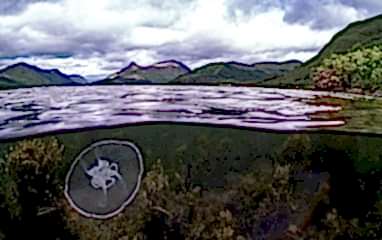
Read how we're calling for a blue carbon strategyImage credit: Georgie Bull
Blue finance
The ocean is fundamental to all life on earth, but ocean health receives very little funding. Blue finance can change the fortunes of our seas and help to turn the tide on climate change with corporate help.
Blue finance means finance for ocean-friendly activities such as habitat restoration, sustainable aquaculture, or developing technology to reduce our impacts on the ocean. So far, most blue finance has been charitable, public, or small-scale private investment that doesn't seek returns.
However, there is growing momentum to create the conditions and markets to unlock large-scale private finance that delivers attractive financial returns on blue investments.
Learn more about blue financeImage credit: Michael Grant
Building a sustainable blue economy
'Sustainable' means natural assets can keep supporting the economy long term.
The blue economy includes all coastal and marine activities, which can help or harm ocean ecosystems. Much global growth has relied on exploiting nature, bringing short-term gains but long-term damage as resources deplete and ecosystems degrade.
A sustainable blue economy focuses on activities that benefit the marine environment, with policies and funding supporting regenerative practices. By protecting the ecosystems that provide value, jobs, and wellbeing, this approach can support society indefinitely.
Discover our work around building a sustainable blue economyImage credit: James Lynott
Marine natural capital
Marine natural capital is the ocean’s natural resources - such as habitats, wildlife, and seabeds - that provide economic value and benefits like food, materials, climate regulation, and recreation. The UK has extensive marine assets, from seagrass meadows to marine species. Protecting and improving ocean health helps strengthen these resources, creating future economic opportunities and resilience. With the added benefit of a lot of marine natural capitable being renewable, it should be central to economic planning, policy, and financial decisions.
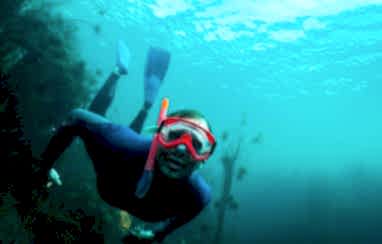
More about marine natural capitalA snorkeller enjoying a dip in Cornwall | Image credit: Sam Mansfield
Blue economy podcast
In partnership with international law firm Simmons & Simmons, we're proud to be bringing you "Seas Of Opportunity: Navigating the Blue Economy" - a podcast series dedicated to the blue heart of our planet.
Listen to the blue economy podcastImage credit: Soundtrap

Add impact to your inbox
Join the movement: get updates on the issues you care about.
We'll email you inspiring stories about the work we're doing to save and recover our oceans, and news about our urgent campaigns for positive change.